You Already Have Rust. Here Is How to Stop It Spreading.
Rust does not pause while you decide. It is an electrochemical reaction that needs metal, oxygen, and water together — and it accelerates once it starts, because oxide holds moisture against the steel. A 100% solids polyurea membrane over properly cleaned metal removes the water and the oxygen. The reaction stops.
Get It Assessed This WeekWhat Actually Stops the Reaction
Cut Off the Water, Cut Off the Oxygen
Corrosion needs iron, oxygen, and an electrolyte in contact at once. Remove any one and it halts. You cannot remove the iron, and you cannot control the air — so the answer is a continuous barrier thick enough that neither water nor oxygen gets through it.
Thickness Is What Makes a Barrier Work
Diffusion through a coating scales inversely with its thickness. Two or three mils of paint slows the reaction. Twenty to sixty mils of 100% solids polyurea, with no shrinkage voids and no pinholes, reduces it to something that stops mattering on the timescale you care about.
Tight Rust Can Stay — Loose Rust Cannot
Sound, tightly-adhered oxide can be sealed under the membrane; it becomes inert once it is dry and starved of oxygen. Loose scale and flaking material has to come off first, because the coating will simply release along with it later. The test is a putty knife.
One Pass, Back in Service Today
Tack-free in 10 to 30 seconds and full service typically inside the hour. Stopping the reaction does not require taking the asset out of production for a week — most single-asset jobs fit a single shift.
What People Call Us About
Almost always the same sentence: it has been rusting for a while and now somebody has noticed.
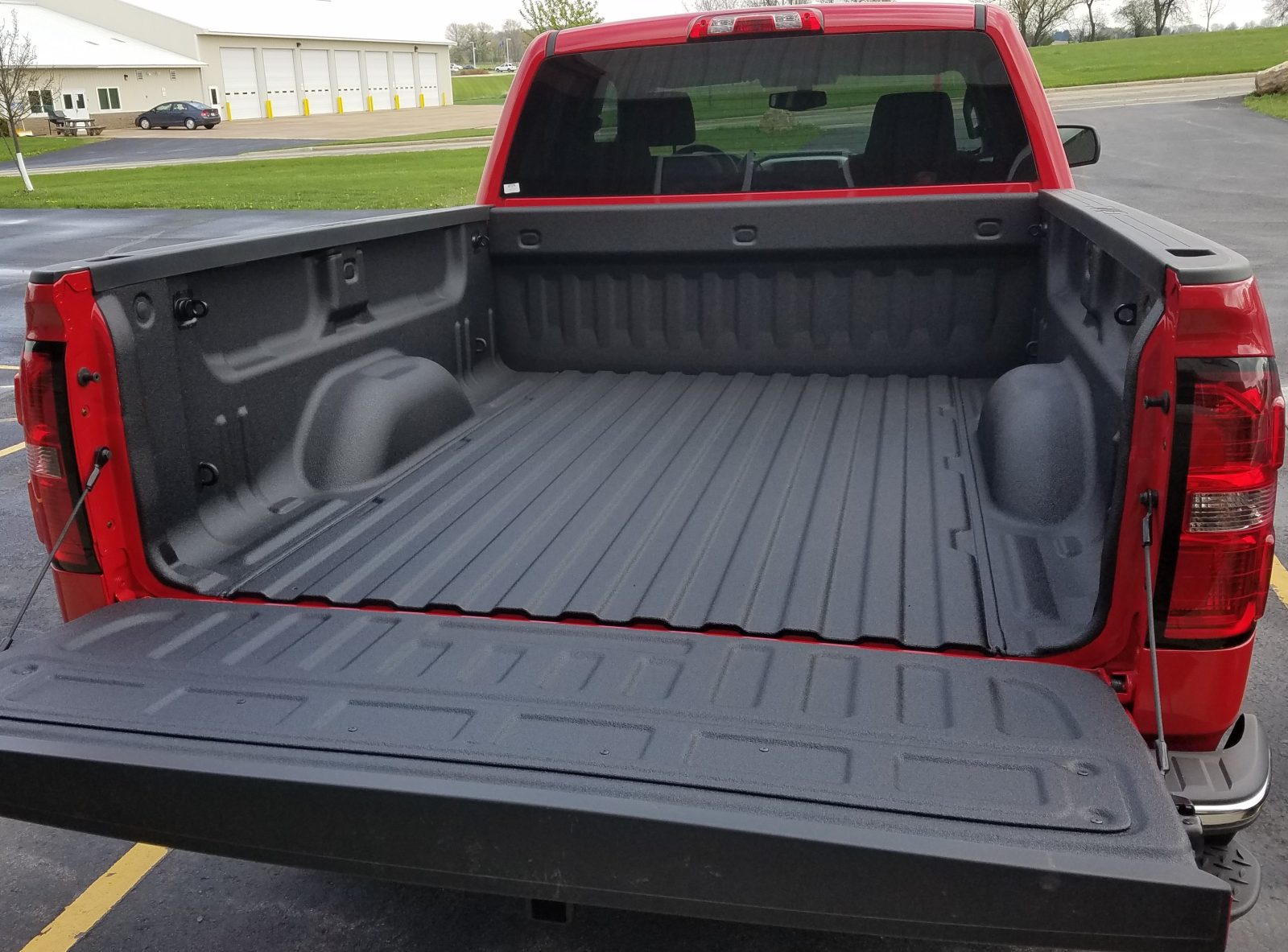
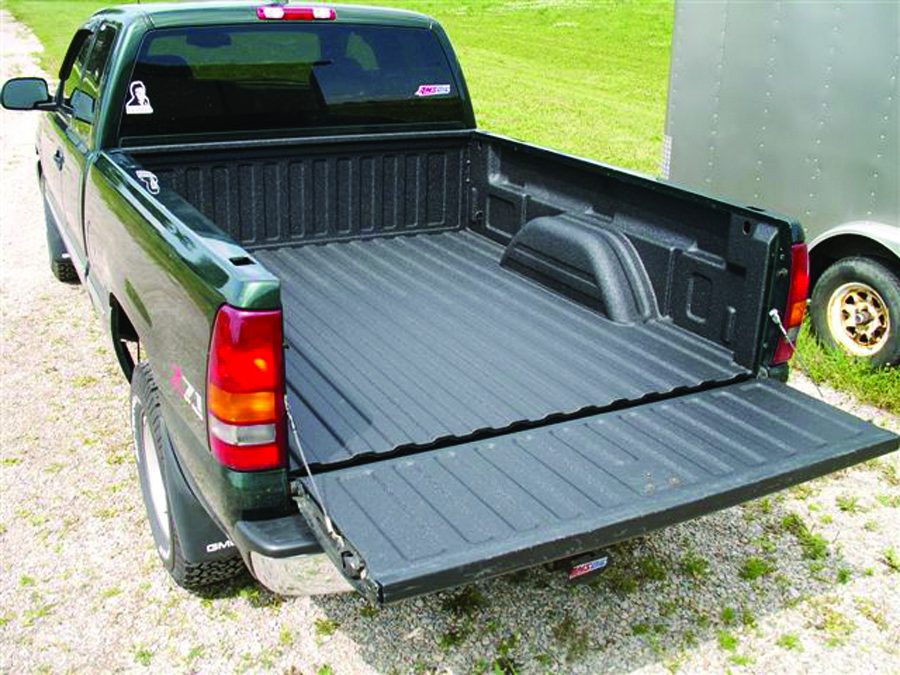
- Rusting truck frames & rockers
- Trailer decks & underframes
- Equipment bodies & implements
- Rusting metal roofs & panels
- Bar joists & structural steel
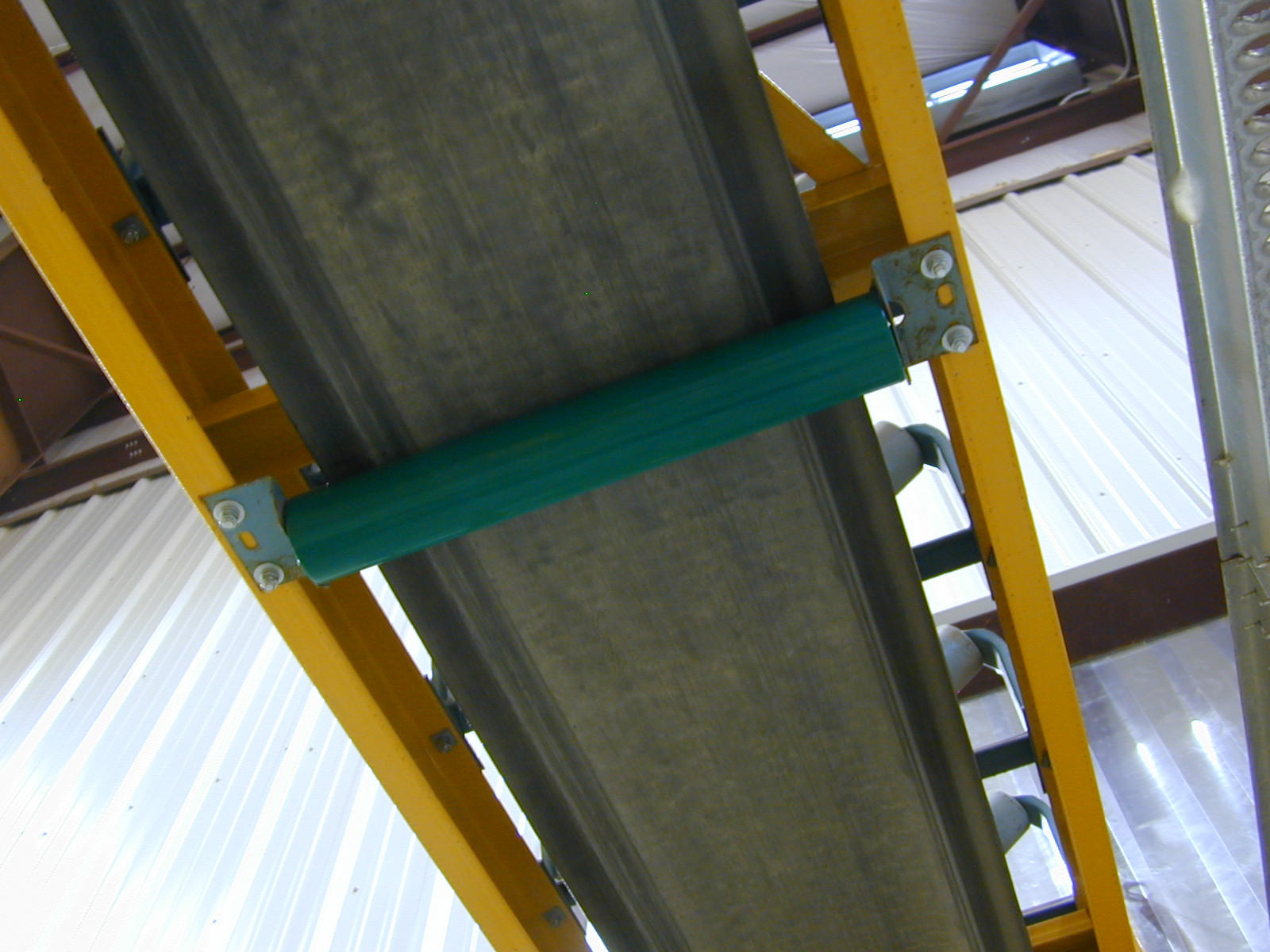
- Conveyor frames & chutes
- Tanks, sumps & containment
- Farm buildings & livestock steel
- Dock, boat trailer & marine steel
- Stairs, railing & platform steel
What Gets Sprayed Over It
Products chosen by what the asset still has to do after the rust is stopped.
Why It Gets Worse, Not Slower
People assume rust proceeds at a steady rate — that if a frame took six years to look like this, it has another six before it matters. It does not work that way.
Iron oxide is porous and hygroscopic. It holds water against the steel long after the surface looks dry, which means the reaction continues through weather that would have stopped it on clean metal. The oxide layer also occupies several times the volume of the steel it consumed, so it lifts and cracks anything coated over it and pries apart lapped joints from the inside.
Then there is geometry. Pitting concentrates the reaction into small anodic sites, and once a pit forms, the chemistry inside it — depleted oxygen, concentrated chloride, lowered pH — is far more aggressive than the surface around it. That is why a component can look cosmetically poor for years and then fail quickly.
The practical consequence: the cheapest time to stop metal rust is always right now. Not because of a sales urgency, but because every month of continued reaction means more material removed, deeper pits, and a wider gap between "seal it" and "replace it."
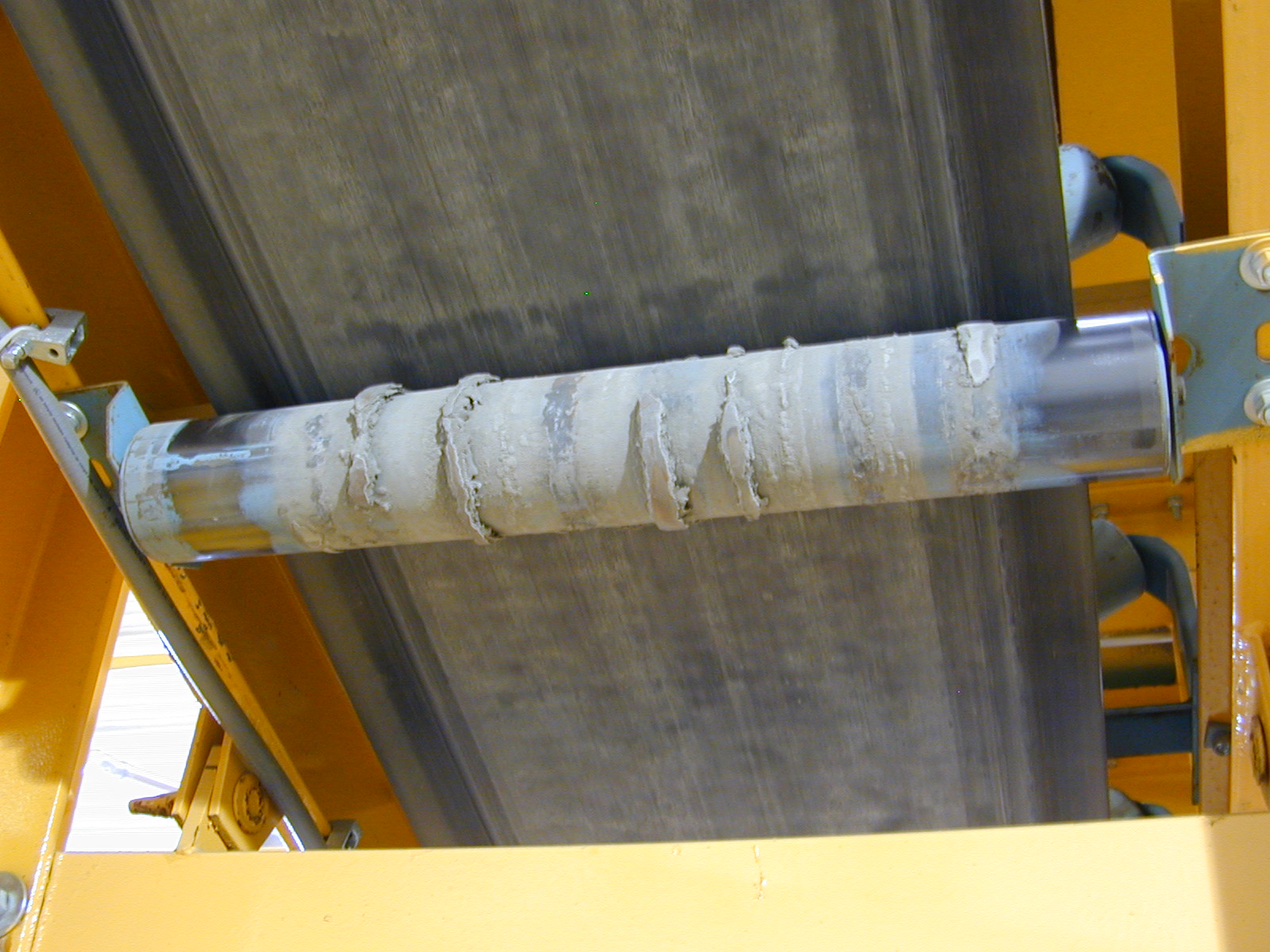
A Triage You Can Run Yourself, Today
Before calling anyone, four checks will tell you most of what you need to know — and one of them will tell you to stop reading and call a structural engineer instead.
- 1. The putty knife test. Push a scraper under the rust at several places. If material lifts and flakes away, that is loose scale and it must be removed before anything is coated. If it stays put and the surface is firm, you have tight rust — which can be sealed.
- 2. The tap test. Tap suspect areas with a small hammer. A dull thud instead of a ring, or a spot that dents or perforates, means section loss. Coating does not restore steel. Mark those areas.
- 3. Find the water source. Where is it getting wet? A leaking gutter, a lap that has opened, condensation drip, a wash-down pattern, road spray. If the source is fixable, fix it — a coating over an active leak is a delaying tactic, not a repair.
- 4. Check for salt. Coastal air, road de-icing, or process chlorides? If so, the surface needs washing and chloride verification below 7 µg/cm² before coating. Sealing salt against steel makes it worse, not better.
Results 1 and 4 tell us the prep. Result 2 tells us whether this is a coating job at all. Result 3 usually explains why it started.
What Stopping It Involves
Stopped, Not Hidden
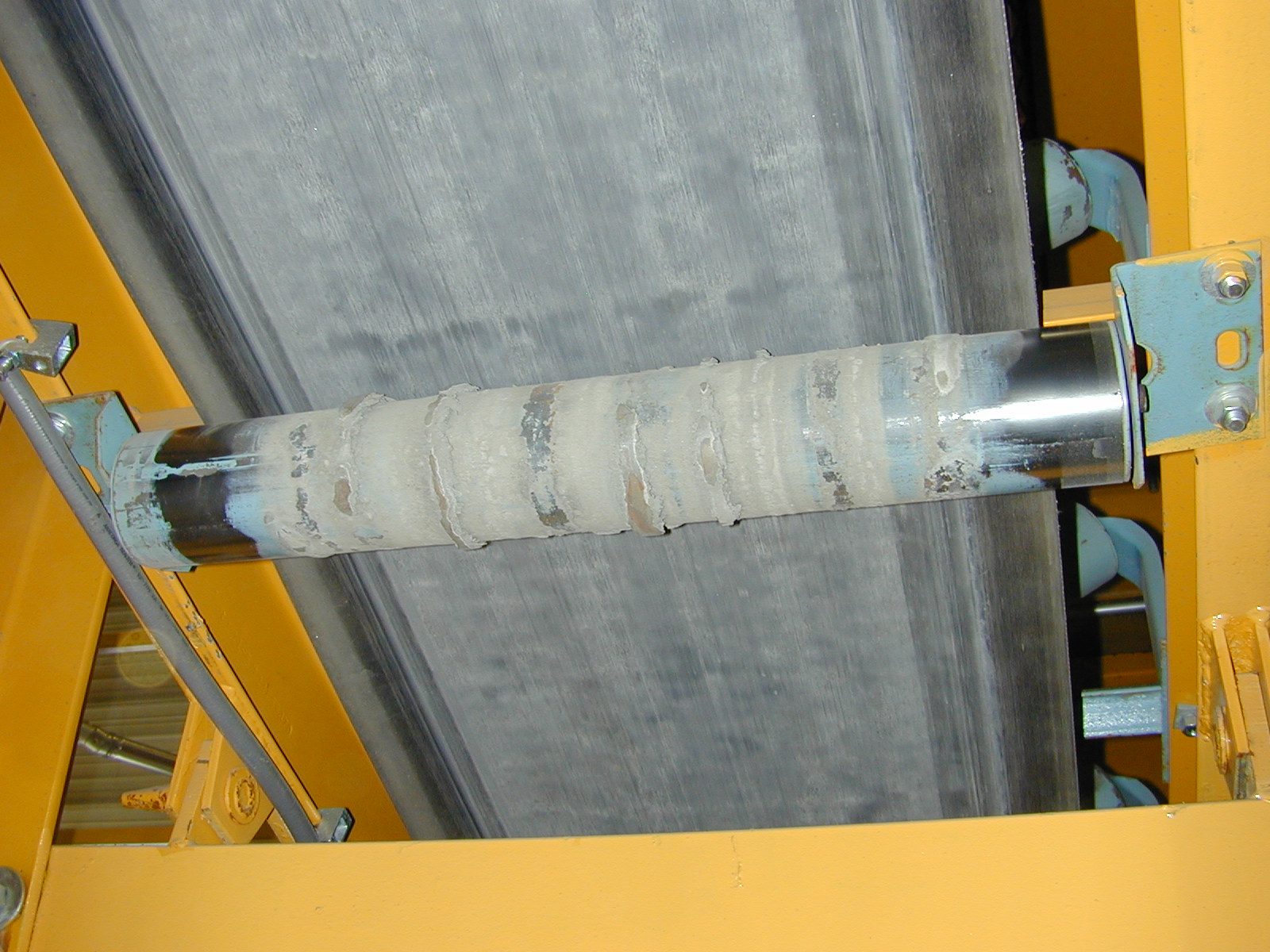
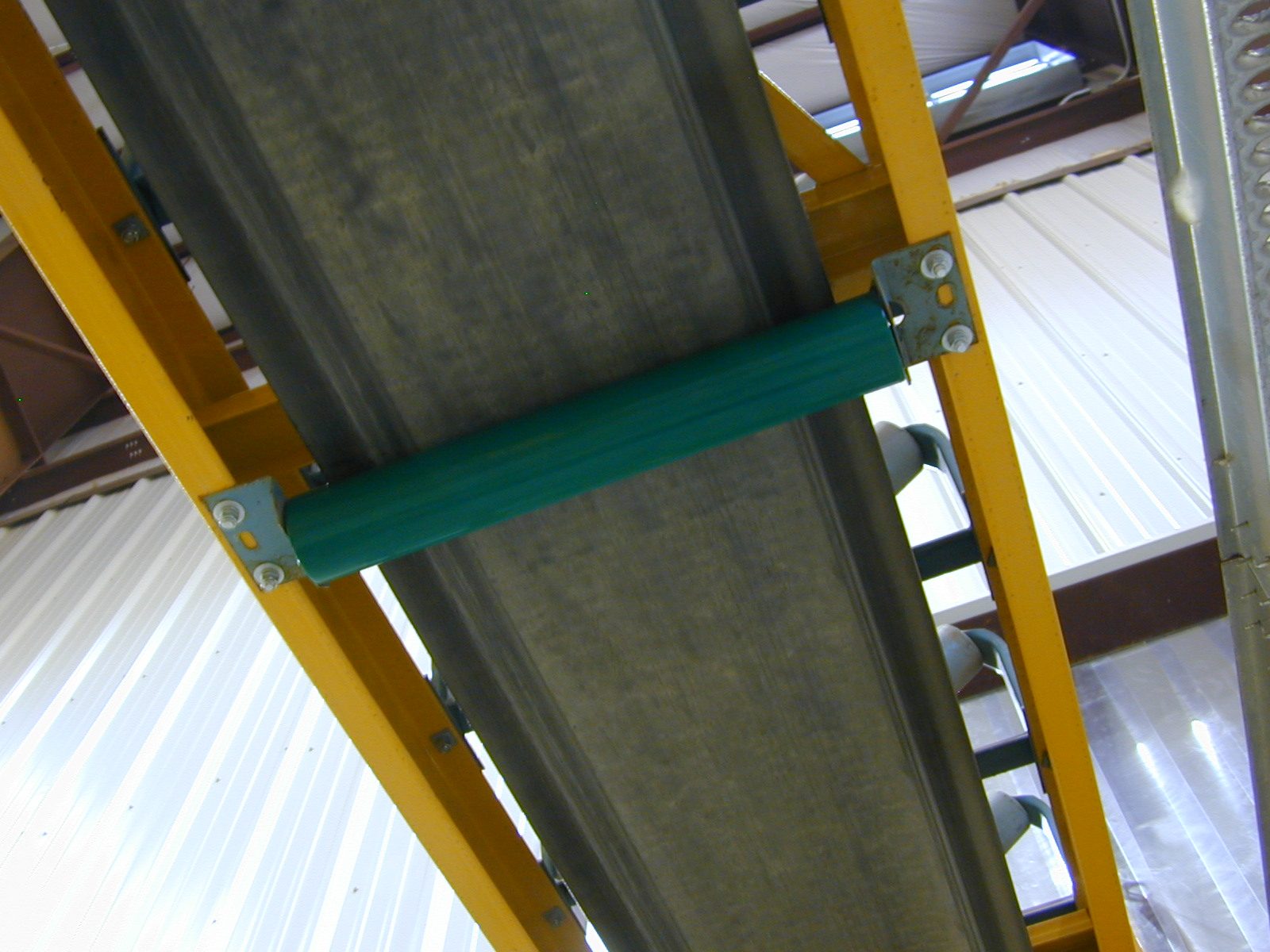
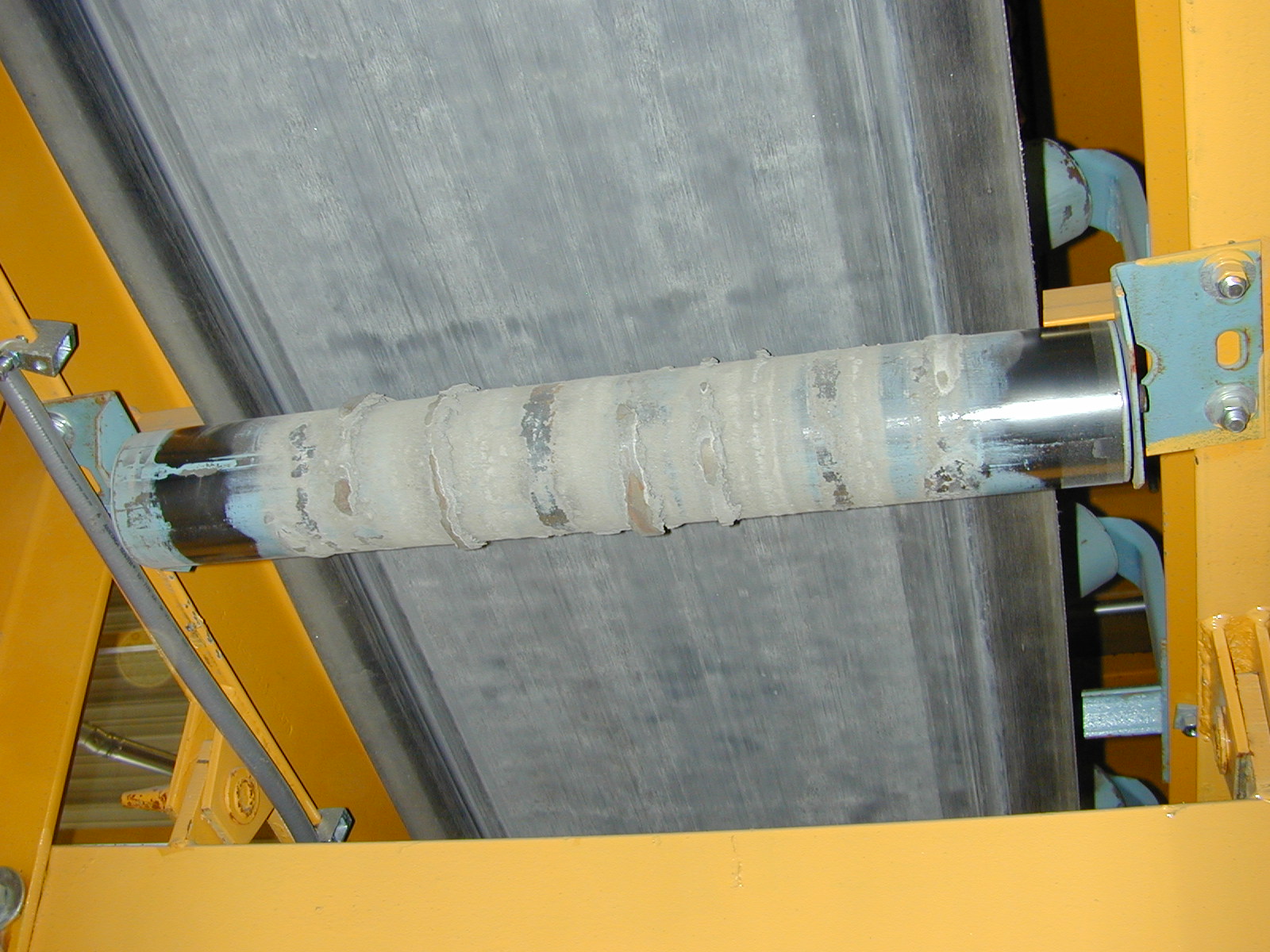
Send Photos. Get a Straight Answer.
Close-ups of the worst areas plus a wide shot for context. We will tell you whether it can be sealed, what prep it needs, and whether any of it is past coating and into repair.
Get It Assessed This WeekGet It Assessed This Week
Tell us about your project and we will follow up with product details, technical data sheets, and pricing.
Frequently Asked Questions
Frequently Asked Questions
What people ask when the rust is already there and a decision has to be made.
Can It Be Stopped?
Can rust really be stopped, or only slowed down?
Genuinely stopped. The reaction requires iron, oxygen, and liquid water in contact simultaneously. Take away the water and the oxygen with a continuous barrier of adequate thickness and the electrochemical cell has no current path. It does not proceed slowly — it does not proceed. The condition is that the barrier must be continuous and stay bonded.
Do I have to remove all the rust first?
You have to remove everything loose. Sound, tightly-adhered oxide can stay and be sealed under the membrane — once it is dry and starved of oxygen it is inert. The dividing line is whether a putty knife can lift it. Leaving loose material means the coating will release with it later, so this is not a corner worth cutting.
Do rust converters work?
Converters chemically transform surface oxide into a more stable compound, and on light surface rust with a proper topcoat over them they have a legitimate role. Their limits are real too: they need the right amount of rust to react with, they do not penetrate scale, and they are not a barrier by themselves. On a heavily corroded asset a converter is not a substitute for mechanical removal of loose material plus a thick continuous membrane.
How do I know if the steel is too far gone to coat?
Ultrasonic thickness readings compared against design, or a tap test if you have no gauge — a dull thud, a dent, or perforation means section loss. Coating restores nothing structurally; it only prevents further loss. If the member is already below required section it needs a welder or replacement, and we will tell you that rather than sell you material.
Doing It Properly
What about deep pitting — can it be sealed?
Polyurea bridges and fills shallow pitting easily at 20 to 60 mils. Deep pits are a different problem: the chemistry inside a pit is oxygen-depleted, chloride-concentrated, and low pH, and sealing that in place traps an active cell. Deep pitting needs to be cleaned out and the area tested for chlorides before coating.
The asset has been on salted roads. Does that change anything?
Substantially. Chlorides must be washed off and verified below 7 µg/cm² before coating. Salt sealed against steel drives osmotic blistering — water is pulled through the film toward the salt, the coating lifts, and the corrosion continues underneath where you cannot see it. Wash, dry, test, and retest if it fails.
Can it be coated over the old paint that is still on there?
Usually, with 7001 primer, provided the old paint is sound. Test it: if the existing coating tears within itself when pulled, it all has to come off. Where it is well bonded, 7001 promotes adhesion and blocks bleed-through from the aged finish.
Should I fix the leak first, or coat first?
Fix the water source first, every time. A coating over an active leak or a drip path is a delaying tactic. Find out why that area is wet — an open lap, a failed gutter, a condensation path, a wash-down pattern — and address it, then seal the metal.
Time, Cost & Getting It Done
How long is the asset out of service?
The coating is tack-free in 10 to 30 seconds and back in service typically within the hour. Prep and masking drive the schedule, not cure time. Most single-asset jobs fit inside one shift, and there is no second coat to come back for.
Can I do this myself?
You can do the prep yourself — wire wheeling, degreasing, washing. The barrier layer cannot be brushed or rolled; it gels within seconds of the components meeting and requires a plural-component proportioner with heated hose. Most people hire an applicator, and we can refer one in your region.
What does it cost compared to just repainting it?
More up front. The relevant comparison is what happens next: repainting a rusting asset usually means repainting it again in a few years, because a thin film over a rough oxidized surface has thin spots at every high point. Sealing it once and having the reaction actually stop is generally cheaper per year, and much cheaper than the replacement it defers.
What warranty applies when you coat over existing rust?
SP3 power-tool prep over sound tight rust carries a reduced-warranty note, and we state that plainly rather than in fine print. Full warranty terms require SP6 blast with verified profile, chloride limits, and documented DFT. Many owners take the reduced-warranty route knowingly, because the alternative is doing nothing.
Situation Not Covered Here?
Most corroding assets are a bit unusual. Describe yours and we will give you a straight read on it.
Ask a Question