Applications
The assets people call about once the rust becomes impossible to ignore.
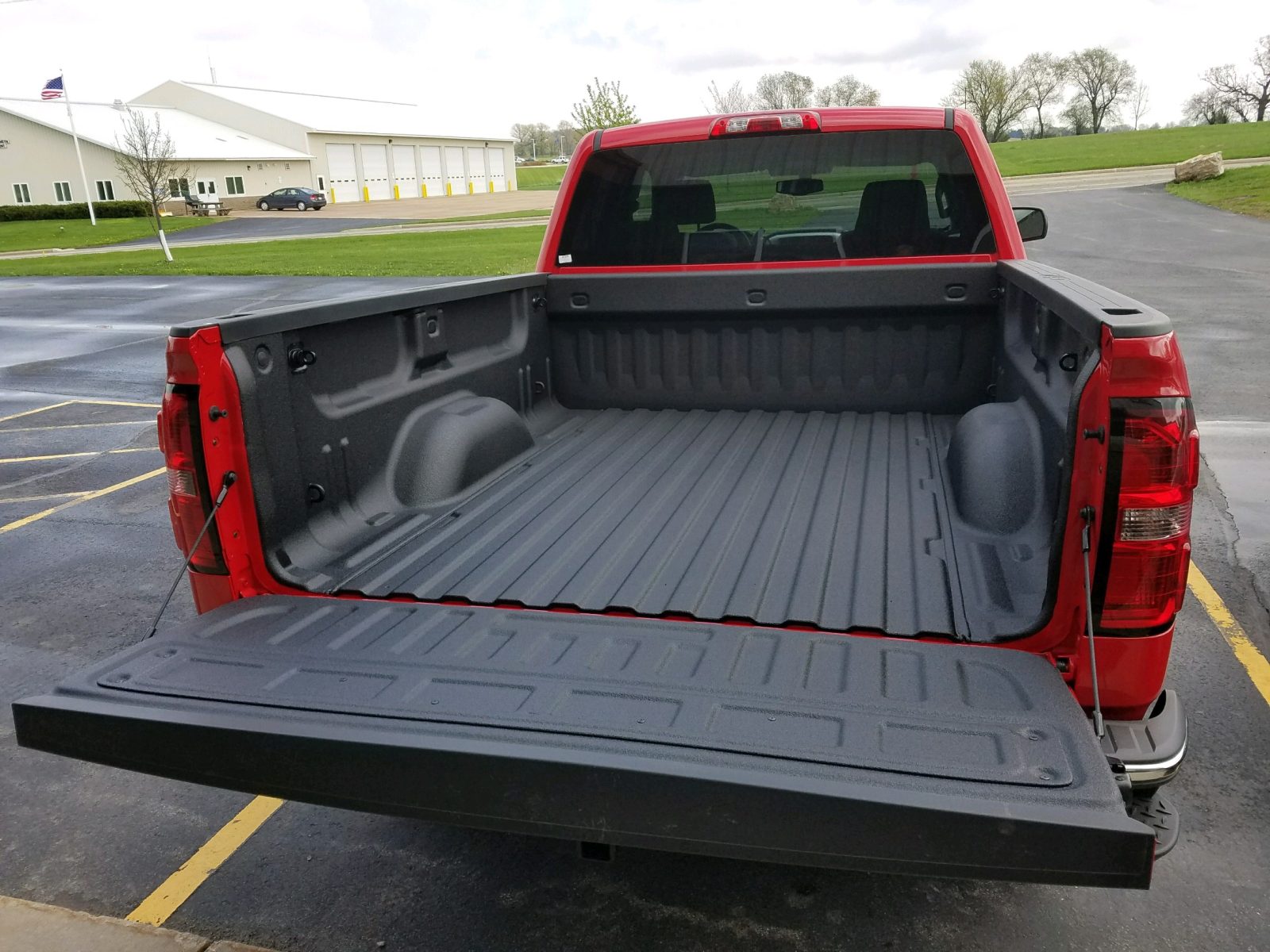
Vehicle & Trailer Frames
By the time frame rust is visible from outside, the inside of the rail has usually been wet for years. Brine wicks in through drain and wiring holes and sits there — a closed, unventilated, chloride-rich cell.
Stopping it means wire-wheeling the exterior back to sound material, treating the cavity where you can reach it with a wand, and sealing the rail, crossmembers, spring hangers, and fastener heads under one continuous membrane. Wash and check chlorides first if the vehicle has run salted roads, which it has.
Take a hammer to the rail before quoting. Perforation means welding, not coating.
Spec: SP3 wire wheel and degrease, chloride wash, 7001 primer over remaining paint, OR93BL at 30–40 mil on frame and underbody; FJ1 60–80 mil on bed or deck.
Rusting Metal Roofs & Panels
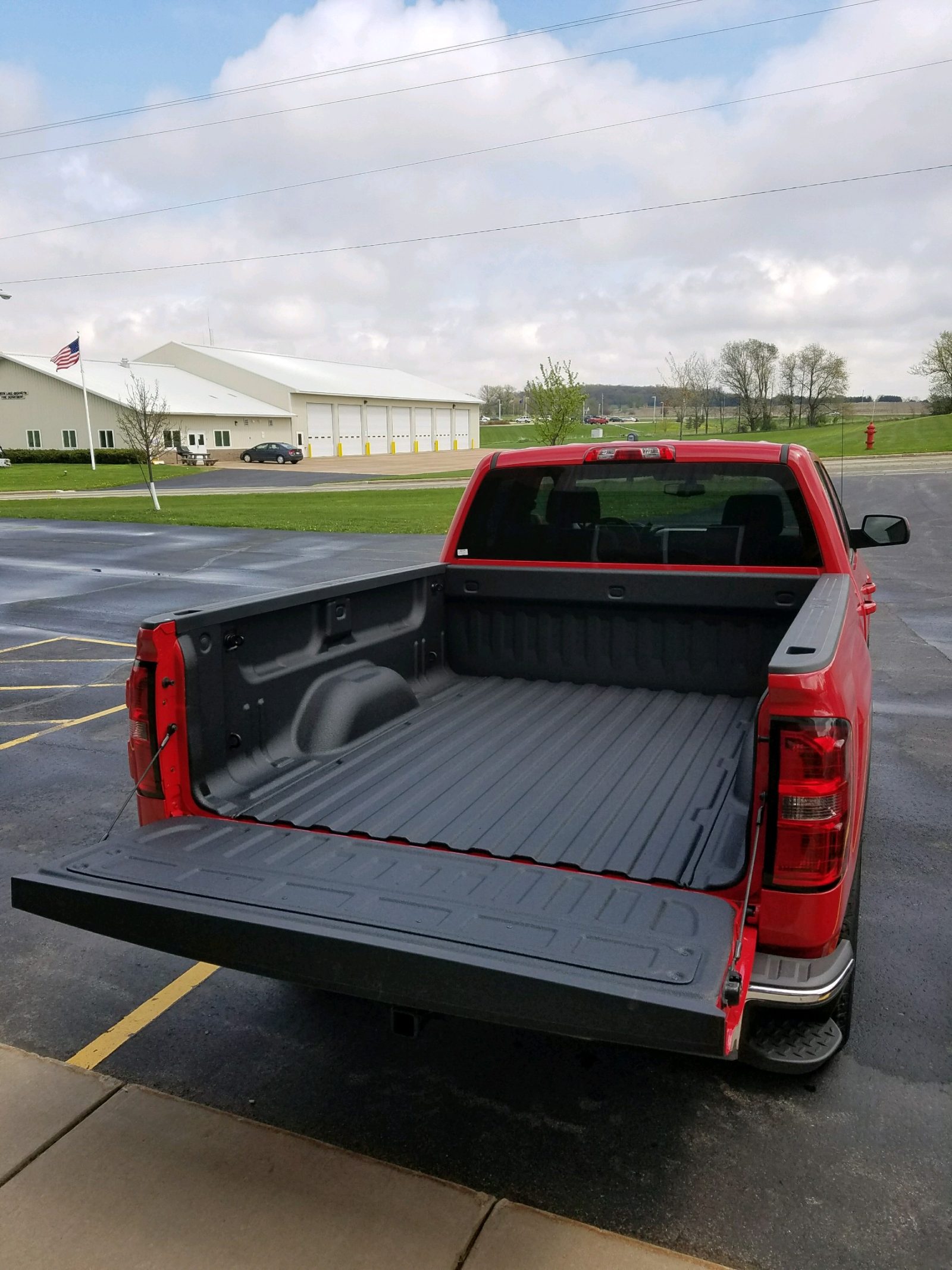
A roof that has started rusting is on a clock, and the clock runs faster than the owner expects because the corrosion is concentrated at the fasteners and laps where water is being held rather than shed.
The remedial answer is to stop treating it as thousands of individual leaks and seal it as one surface. Clean back the loose material, prime the details, and spray a continuous membrane that eliminates every lap and penetration at once. Elongation matters here because the thermal movement that opened those laps will keep happening.
Where panels have perforated, they get replaced first. A membrane over a hole is a membrane over a hole.
Spec: SP3 clean and degrease, 7001 primer at laps, seams, and fastener heads, then OR93BL at 40–60 mil; FJ1 at 60 mil where crews walk it.
Structural Steel & Bar Joists
Structural corrosion tends to be discovered during an inspection rather than noticed in passing, which means there is usually a report, a deadline, and a nervous facilities manager attached to it.
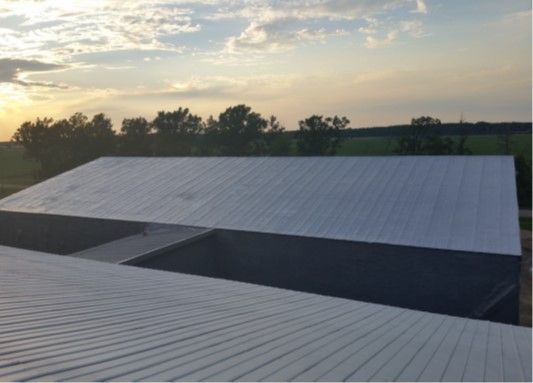
The first step is not coating — it is ultrasonic thickness readings compared against design. Members below required section need engineering, and no coating changes that. Once the structural question is answered, sealing what remains is straightforward: power-tool the loose material, prime over aged paint, and spray a continuous barrier including the flange edges, bolted connections, and any pocket where water collects.
Pay attention to column bases and beam seats. That is where the water has been.
Spec: SP3 over tight rust with 7001 primer, OR93BL at 30–40 mil general and 60 mil at base plates and splash zones. SP6 blast where the member can be isolated.
Equipment, Implements & Conveyors
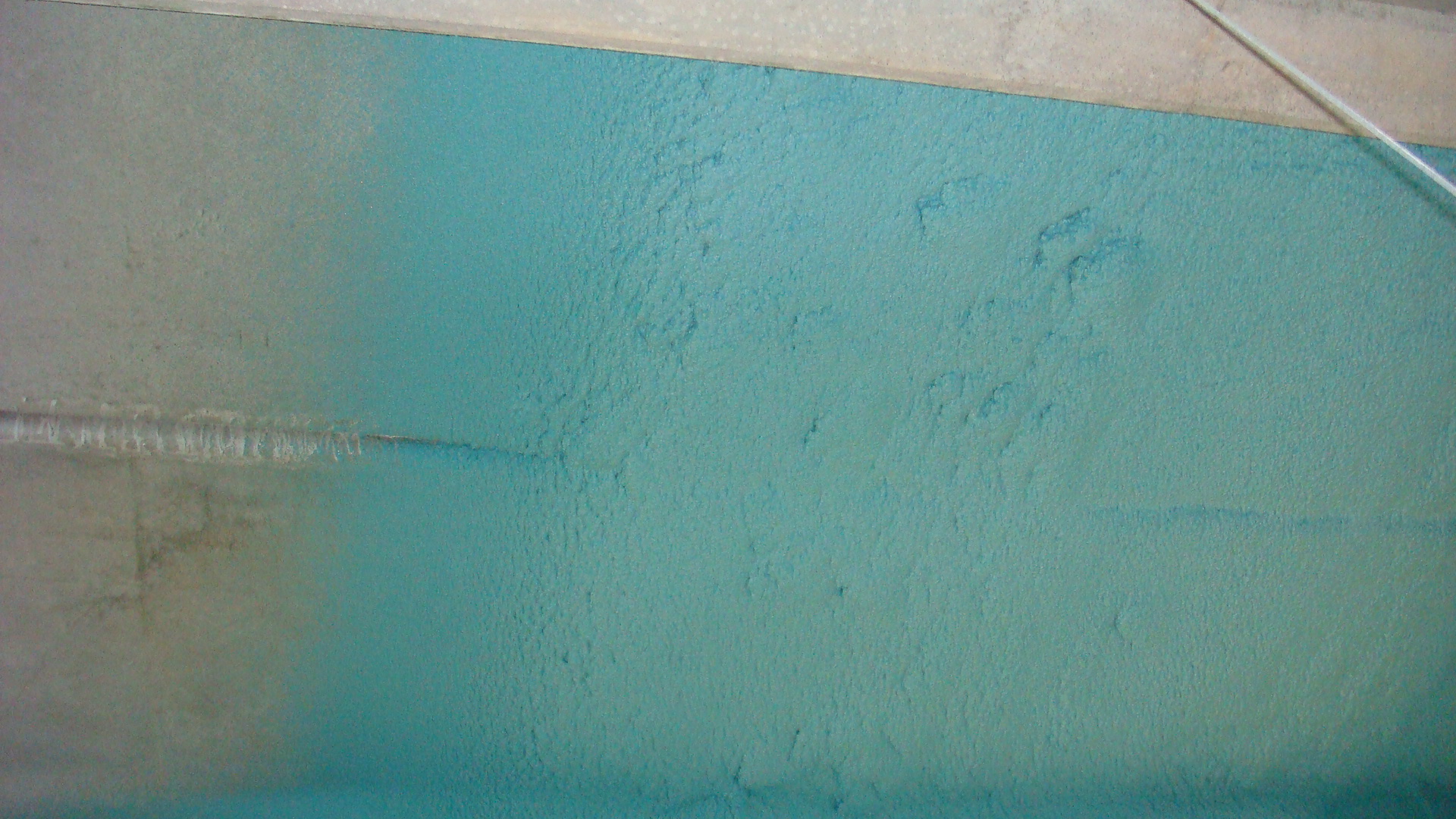
Equipment rusts fastest where it is used hardest — at contact surfaces where the original coating wore off, in the corners where product accumulates and holds moisture, and along drip lines where carryback lands and sits.
Those areas are also usually still in service, so the remedial job is bounded by a shutdown window. Single-pass application is what makes it fit: no return trip for a second coat, no cure period tying up the line.
Where a wear face has thinned, take readings before quoting. Lining a chute whose plate is nearly gone just delays the fabrication work.
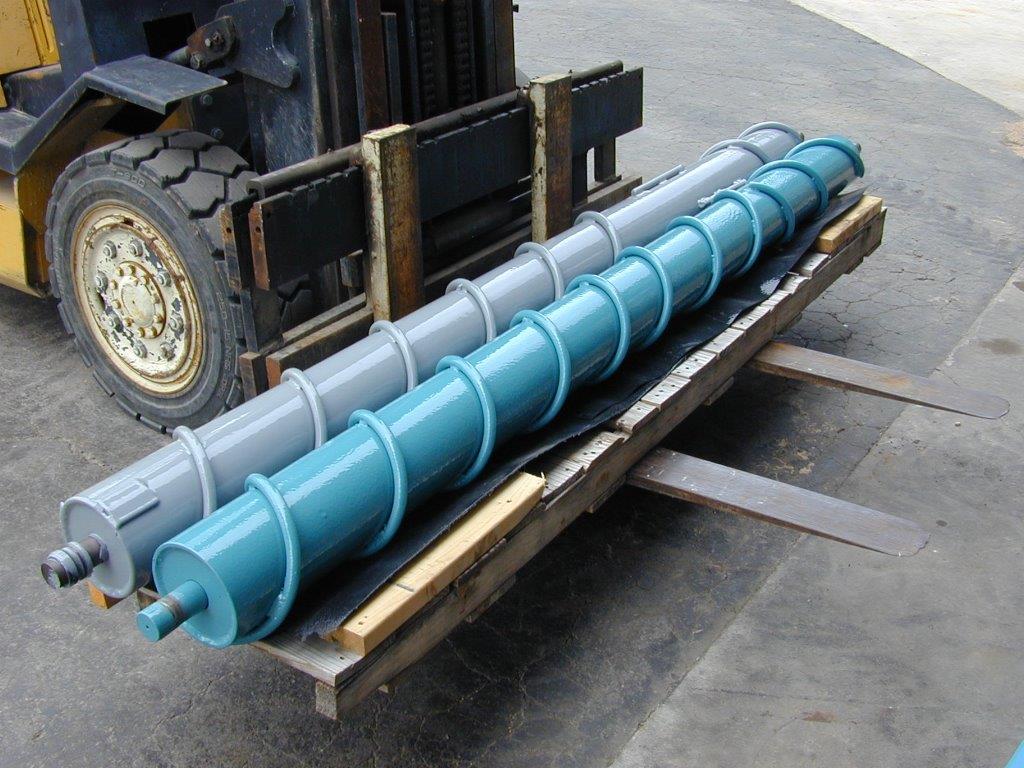
Spec: SP3 prep, OR93BL at 30–40 mil on frames and structure; Flak Jacket Pro at 80–120 mil where material still abrades the surface.
Farm Buildings & Livestock Steel
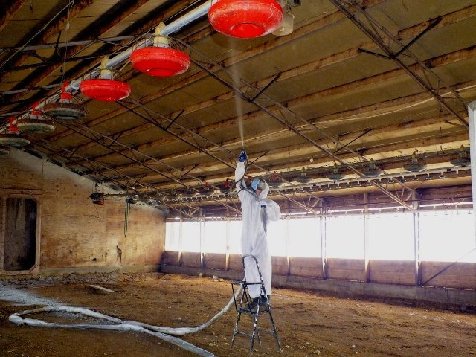
Ammonia, manure acids, silage, and constant condensation make agricultural buildings corrode faster than almost any industrial environment — and because the buildings are working assets nobody wants to shut down, the rust usually gets a long head start.
Purlins, clips, the underside of roof panels, gates, penning, and equipment bases are the usual suspects. Wash first: organic contamination and salts from feed and bedding both interfere with adhesion, and a poultry or dairy building has plenty of both.
Spec: Pressure wash and degrease, SP3 power-tool prep, 7001 primer over galvanized and aged paint, OR93BL at 40 mil; FJ1 at 60 mil on contact surfaces and equipment bases.
Other Assets We Are Called About
- Tanks, sumps, and containment — thickness readings and confined-space planning before anything else
- Dock, pier, and boat trailer steel — chloride verification is not optional in this service
- Stairs, grating, railing, and platforms — heavy edge corrosion; often a safety inspection finding
- Dumpsters, compactors, and waste equipment — leachate-driven corrosion, generally advanced by the time anyone calls
- Fuel and process piping supports — corrosion under supports, hidden at the contact point
- Classic and project vehicles — floor pans, inner fenders, frame; usually a mix of coating and welding
- Guardrail, gates, and municipal steel — de-icing exposure with years of accumulated damage
Not Sure If It Is Too Far Gone?
That is the most common question we get and it deserves a real answer. Send photos and any thickness readings — we will tell you whether to coat it, repair it, or replace it.
Get an AssessmentGet It Assessed This Week
Tell us about your project and we will follow up with product details, technical data sheets, and pricing.